The absence of teeth can greatly affect one’s overall lifestyle – from how one feels about themselves to how they interact with others. In addition to the cosmetic nature of an incomplete smile, if gaps are not fixed, they can lead to more serious issues with your oral health later on. However, there is an excellent solution for replacing missing teeth and restoring their function and aesthetics: today’s implant dentistry services.
Dental implants provided at Family Dental Practice are one of the top solutions for individuals looking for a natural-appearing replacement that will last over time. Acquainting oneself with the process of dental implant therapy and procedure will enable patients to better educate themselves on the state of their oral health.
Why Replacing Missing Teeth Is Important
Tooth loss is not just an aesthetic issue. A supporting bone will no longer be able to hold on to the underlying teeth if they become loose. This lack of support will result in bone density loss, change the shape of your face and cause teeth to move into different positions.
Replacing missing teeth helps to:
Maintain jawbone health
Preserve facial structure
Improve speech and chewing ability
Prevent further dental complications
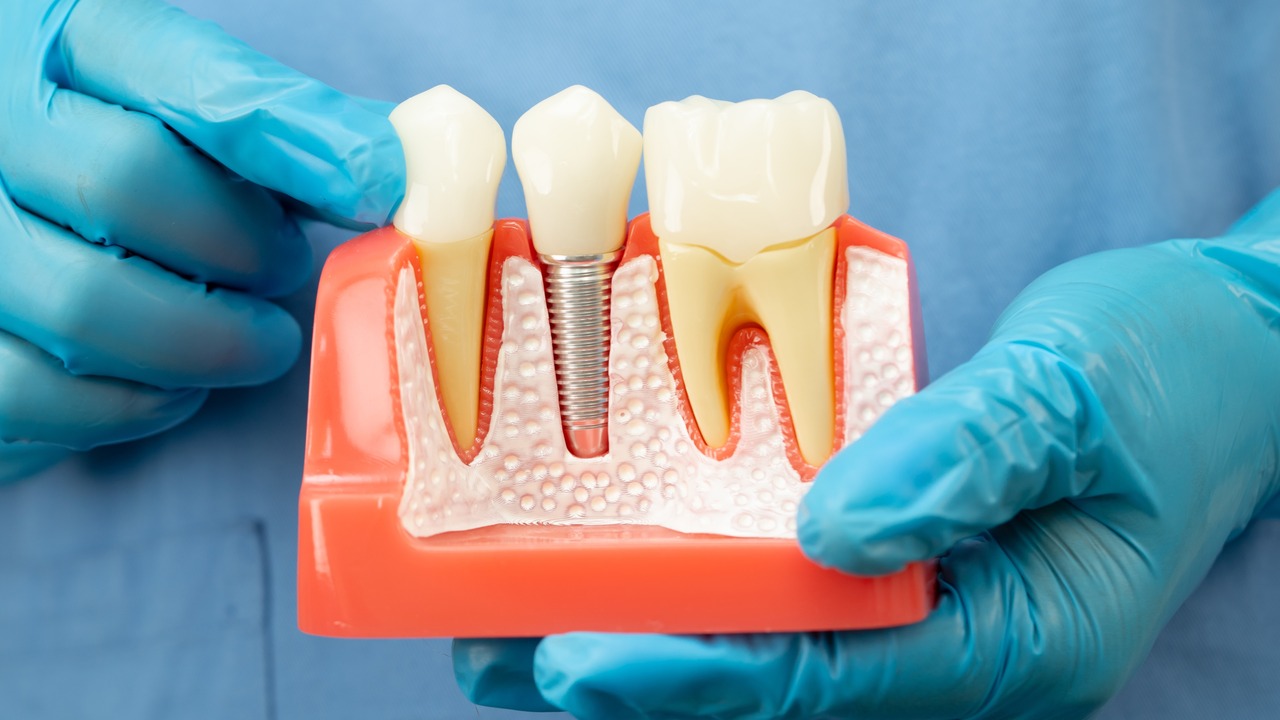
Dental implants are uniquely designed to address these issues by replacing both the tooth and its root.
What Are Dental Implants?
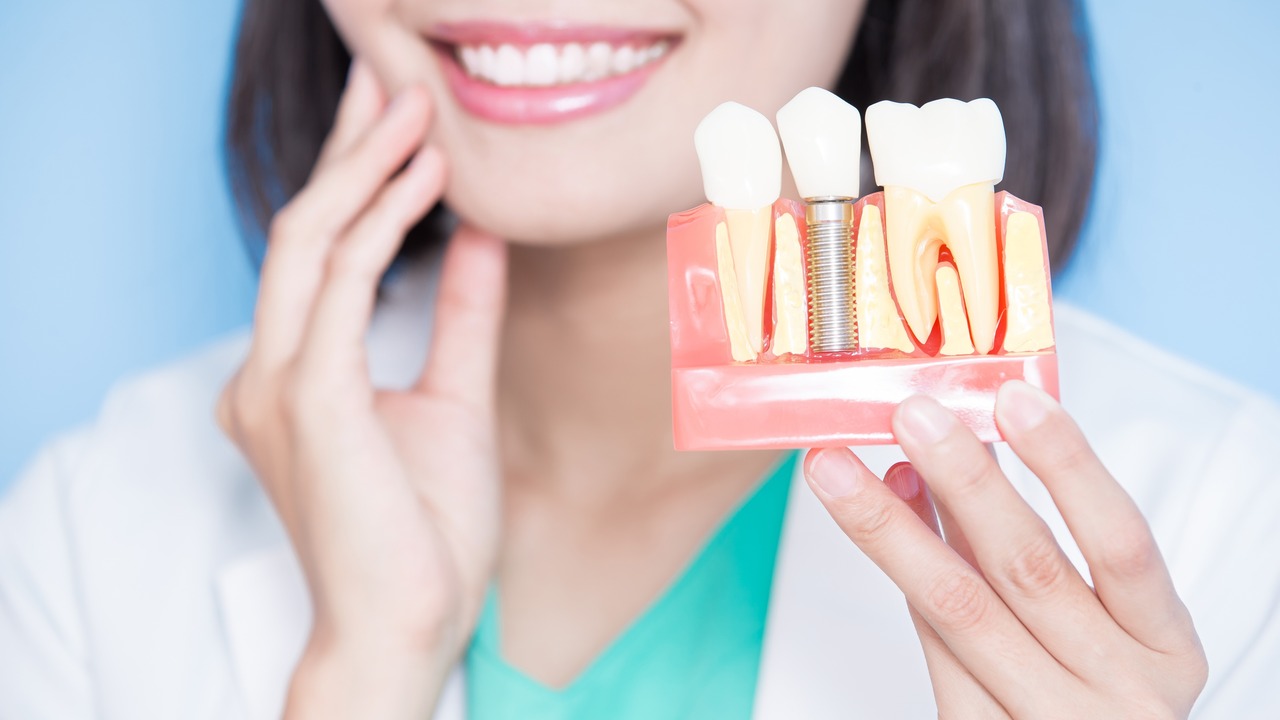
Dental implants are tiny posts made of titanium that are placed into the jawbone as artificial roots of teeth. Once integrated into the bone, they will provide a stable foundation for crowns, bridges or dentures.
Dental implants provide the same function and feel as a tooth because they are not removable; thus making them a more stable option than traditional dentures and other types of removable options from dental implant dentists. As such, patients looking for permanent solutions to traditional removable restoration options prefer to receive them through dental implants.
The Benefits of Dental Implants
Dental implants offer a range of advantages that contribute to their growing popularity.
Natural Appearance
The look and feel of a dental implant should closely match the look and feel of a natural tooth. The total restoration will be created to blend in with the surrounding teeth.
Longevity – Lifetime Dependability
With the appropriate cleaning and care, a dental implant will remain in good condition for several decades. Therefore, the overall durability of an implant will help to prevent the initial cost of the implant from being offset by the long-term value of the dental implant.
Increased Comfort
Implanted teeth are secured to your jawbone; thus, they won’t cause any irritation and will stay put—unlike a removable denture that can sometimes irritate the gums and come loose while eating or speaking.
Improved Functionality
Patients who have dental implants can eat anything they want with complete confidence because the dental implants provide a solid and stable foundation for chewing food.
Types of Dental Implant Treatments
Dental Implant Dentistry has various flexible alternatives when considering the extent of tooth loss.
Replacing One Tooth
When one tooth is lost, a single implant can replace one tooth without affecting adjacent teeth.
Replacing Several Teeth
When multiple teeth are missing, a bridge supported by implants can restore function and appearance without removable appliances.
Full Mouth Dental Implants
Patients missing most or all of their teeth can benefit significantly from full mouth dental implants. With this method, several strategically placed implants are employed to support an entire set of teeth and will offer both additional stability and comfort than conventional dentures would.
Understanding the Dental Implant Surgery Process
Dental implant surgery requires numerous different steps and stages to facilitate confident, functional and esthetic tooth replacement. Below are the various steps and methods that comprise the dental implant process.
Consultation & Planning
The procedure for placing a dental implant begins with a detailed evaluation of the patient’s mouth through digital imaging and examination of the patient’s jawbone. The first part of this process determines whether the patient is an appropriate candidate for dental implants, and the information gathered will help create a specific Treatment Plan.
Placement of Implants
An implant is placed in the jawbone during surgical placement under local anaesthesia. The procedure is generally performed without complications, and patients report only mild discomfort after having the procedure done.
Healing of Implants
After placement, the implant will go through a healing period that will allow it to integrate into the bone. This process is called osseointegration and is essential to obtain a strong and stable base.
Final Restoration
When the healing process is complete, the final crown, bridge or denture will be fitted onto the implant so that you will have a completely functional and natural-looking replacement tooth.
Factors Influencing Dental Implant Cost
The dental implant cost will be different depending on some factors, like how hard the case is and how many implants are needed.
Things to consider are:
The number of teeth being replaced
The need for additional procedures, such as bone grafting
The type of restoration used
The overall treatment plan
Although the initially higher cost may seem higher than other options; Implants usually have a greater savings over the years because of their length and durability.
Are Dental Implants Suitable for Everyone?
For dental implants, most adults with good oral hygiene are increasing number of people will find they do have enough supporting bone beneath their gums to have a successful outcome from the procedure. Additionally, advances in dentistry have improved how successfully a dental implant can be placed into the jawbone for people with limited available bone.
A few characteristics of the individual that can affect their eligibility as candidates for the placement of a dental implant include:
Smoking habits
Gum disease
Chronic health conditions
Although the initial costs associated with dental implants may be higher than other options, once you factor in their longevity and durability, they eventually become much more cost-effective than other alternatives.
Finding Dental Implants Near You
If you are looking for “dental implants near me,” the first thing you want to ensure is that the place you are going to have experience, advanced technologies, and a patient-centric focus.
A trusted provider will:
Conduct thorough assessments and provide clear treatment plans
Use modern techniques to improve comfort and outcomes
Offer ongoing care and support throughout the treatment journey
If you can find the correct dental team for your needs, your chances of completing your procedure with satisfactory results increase significantly!
Caring for Dental Implants
Caring for your dental implants is similar to caring for your natural teeth and can be simple if you carry out good oral hygiene habits and see your dentist regularly.
Care for dental implants includes:
Brushing your teeth at least twice each day
Flossing or using interdental cleaning devices between your teeth
Attending routine examinations and having your teeth professionally cleaned once every six months
If you maintain your dental implants correctly, they will continue to function properly for many years.
A Long-Term Solution for a Healthier Smile
To replace missing teeth is a simple process, and dental implants are available as a modern, attractive and reliable option that will help support not only your oral health, but also your overall health as well.
Dental implants may be used as single tooth replacements to full mouth restorations and as such, have a great deal of flexibility for different needs. When considering either the cost of dental implants or the length of the treatment, the long-term advantages of these dental implants generally will cause them to be the method of choice.
Patients who wish to restore their confidence and restore their beautiful smile will find the dental implant method of care is an excellent way to do this. With proper care and the right professional advice, patients can expect to achieve a full and functional smile for many years to come.