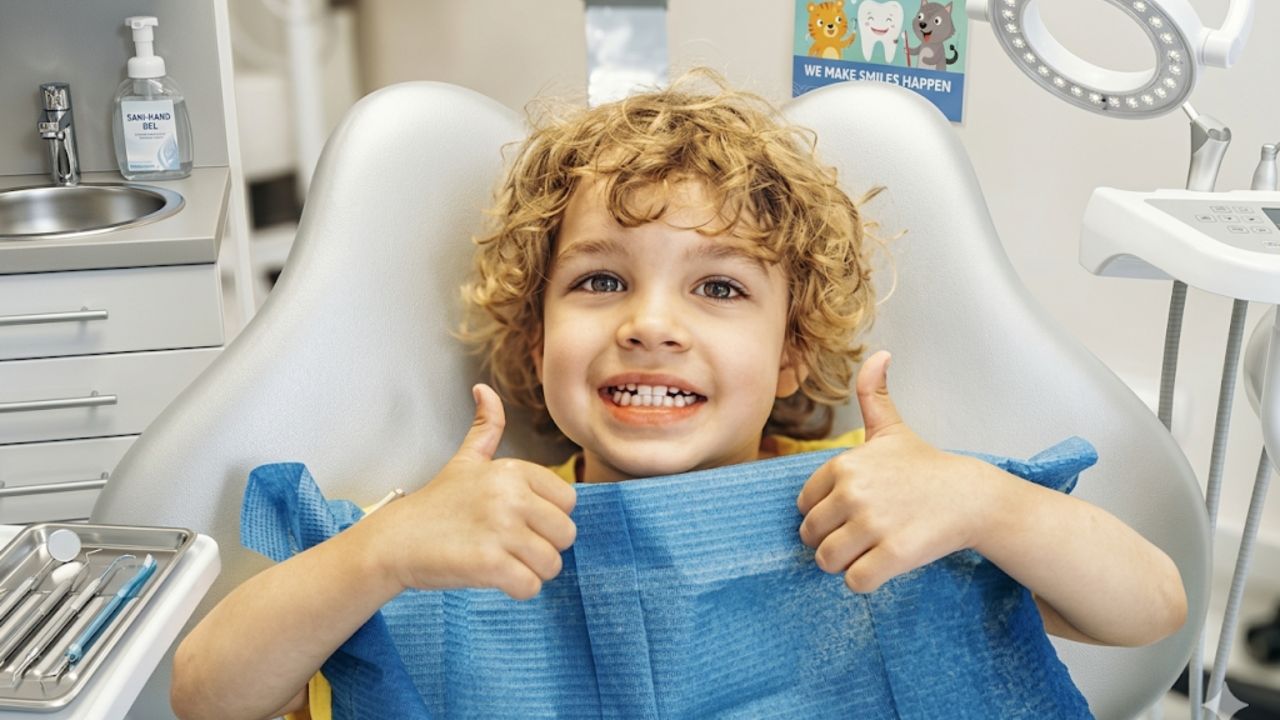
A child’s first tooth isn’t the only thing impacting their future; good oral health actually begins long before that. The first few years of a child’s life are also important in helping create and reinforce positive oral health behaviours that will last their entire life, build their confidence and support their overall well-being. Family Dental Practice is often surprised at how many families don’t fully understand the importance of the first dental visits.
Paediatric dentistry is much more than providing treatment; rather, it involves helping children grow into healthy individuals by preventing dental issues from arising before they occur, as well as creating a sense of security and reassurance towards dentistry from a young age and throughout their lives. Children who build a positive relationship with dentists at an early age are much more likely than others to continue to have healthy teeth throughout adulthood.
Why early dental visits matter
A lot of parents believe that their child will only see a dentist at either the time when all of their baby teeth have erupted, or if there is a dental issue. The optimal time for your child to have his/her first dental visit is between the ages of 1 and within 6 months after the eruption of the first tooth.
Seeing the dentist at an early age allows a dentist to check to see how the patient’s teeth are forming, if they are developing properly, and how the mouth/jaw are structurally designed. Additionally, a dentist is able to identify future issues with the patient’s teeth, gums, and jaw and provide proper treatment before the condition becomes more complex, such as extreme tooth decay, lip tie, tongue tie, and/or bite issues.
Reducing fear by being exposed to the dentist at an early age and being in a relaxed and comfortable environment also has an impact on the child. The child generally does not have the fear of visiting the dentist as an adult. The presence of fear can create barriers to regular adult dental care, and this is very common.
Building the foundation for lifelong oral health
Prevention is one of the top goals for dentists who treat children. The primary teeth or baby teeth, while only temporary, will begin falling out when the child is around 6 years old, and are responsible for helping an individual with speech development and chewing. They also serve to create a pathway for the permanent teeth to grow in a proper position.
Untreated decay in baby teeth can cause infection, pain and complications to the permanent teeth growing underneath. Providing early preventative care allows these risks to be significantly reduced.
When your child is young, they need some help from parents on how to brush their teeth, use fluoride properly, how to handle the painful teething process and what types of foods to eat to keep their teeth healthy. Small adjustments now could have a profound effect in years to come.
What happens during a child’s dental visit?
A child’s first dental appointment is typically very basic and informal; the dentist will not provide treatment, but instead, will spend time getting the child used to dental care and educating the child and parents about how to prevent dental disease from developing. Most of the appointment will be spent reviewing the child’s mouth (including gums and any newly erupted teeth) to see if they are all developing properly.
In addition to helping the child become familiar with the dentist, a first dental appointment allows the parent to ask questions about brushing and flossing practices, thumb sucking habits, pacifier/nipple use, and eating habits. These are all very important topics that help parents develop good oral health habits in their children at home.
The Family Dental Practice environment is relaxed and welcoming, and helps to make children feel comfortable and secure. Developing trust at a young age is very important for long-term cooperation and having positive dental experiences.
The role of dental paediatric specialists
Dental paediatric specialists serve an important role in providing care to patients who may require a more individualised approach based on their oral health needs or their developmental stage.
The professionals who provide care for the children’s dental needs have received further education regarding children’s oral health, behaviour and development. They are familiar with treating a wide range of issues, including cavities in infants and orthodontic concerns for growing children.
There are special techniques available to help children who may be afraid or have special needs, or may require advanced treatment, so that their experience will be as easy and stress-free as possible. They do this through their emphasis on communication, patience and gentle care to help them reach their full potential in an environment where they will receive the support they need.
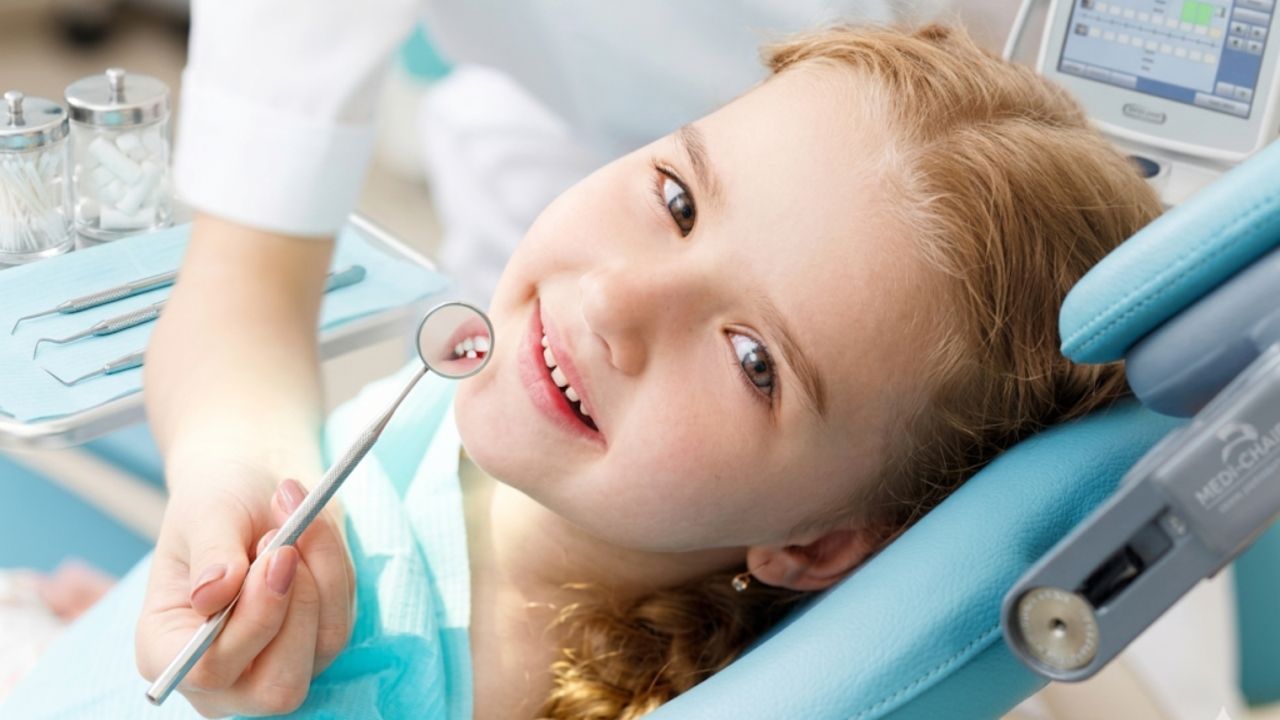
Preventing common childhood dental issues
Tooth decay is still one of the most common health issues in children and is usually due to excessive sugary food/drink consumption along with unequal brushing habits.
Going to a dentist/dental team who works primarily with children would identify issues currently or at risk of being decayed before it occurs. Fluoride varnish and/or sealants could be used as preventive measures to help reduce the chance of having tooth decay in children’s teeth.
Many parents are shocked to discover how rapidly baby teeth can develop cavities. A small, tiny spot could turn into a huge hole very quickly without care. Regular dental visits are crucial for avoiding these problems.
Another key factor in cavity formation is diet. By having your child drink lots of water instead of sugary beverages, reducing the amount of stickiness in their diet, and encouraging the consumption of “good” foods that benefit their teeth, such as dairy, vegetables, and fruit, you will certainly help lower their chances of developing cavities.
Helping children feel comfortable at the dentist
A lot of people are afraid of going to the dentist due to prior experiences when they were younger; therefore, whatever a child considers their first impression of seeing a dentist will have an effect on their future feelings regarding oral care.
Due to this, one of the primary goals of a paediatric dentist is to provide a child-friendly method of establishing positive experiences through gentle communication, giving simple explanations to the child, and establishing a warm and friendly relationship with the child.
Also, the parents have an influence on how the child feels. If the parent uses positive language regarding dental visits and does not use language that may frighten the child, they may have a more relaxed attitude about their visit to the dentist. If the child sees their dental visit as a normal part of their daily life, they will most likely return to the dentist on a regular basis with less stress and with more compliance.
Supporting parents through every stage
Dental care for children involves more than just caring for the child. It involves providing support, knowledge, and information to parents and caregivers so that they can help their children achieve and maintain good oral hygiene in their home.
Families receive practical oral care information, from information on how to deal with teething issues, to proper brushing techniques, that assist them in establishing a routine for daily care. Commonly asked questions about thumb sucking, bottle feeding, or transitioning to adult toothpaste are answered during the appointment.
The approach of parents and caregivers working together to provide consistent oral care in the home, as well as in the clinic, leads to parents feeling confident managing their child’s overall oral health.
Choosing the right dental care environment
The selection of a proper pediatric dental service can greatly contribute to creating positive experiences for children. A child-friendly environment, experienced practitioners, and an emphasis on preventive care all positively contribute to improved outcome performance.
At Family Dental Practice, we provide gentle, custom-designed care tailored to meet the individual needs of every kid. All of our visits will try to be educational and provide information and support to both parents and children.
Don’t put off going to the dentist until later. By getting into a routine of going to the dentist at an early age, you are building a strong basis for developing healthy habits throughout your life.
Final thoughts
Early visits to the dentist are one of the easiest and most effective methods to help create and maintain good oral health throughout your child’s life. With proper instruction from their dentist, children can grow up confident in themselves and able to feel at home without worrying about such things as unnecessary dental problems throughout their lives.
When families commit early to children’s dental care, they create the opportunity for a lifetime of healthy teeth. Routine visits and preventive treatments combined with good educational support create the foundation for long-term healthy smiles that will last for years.