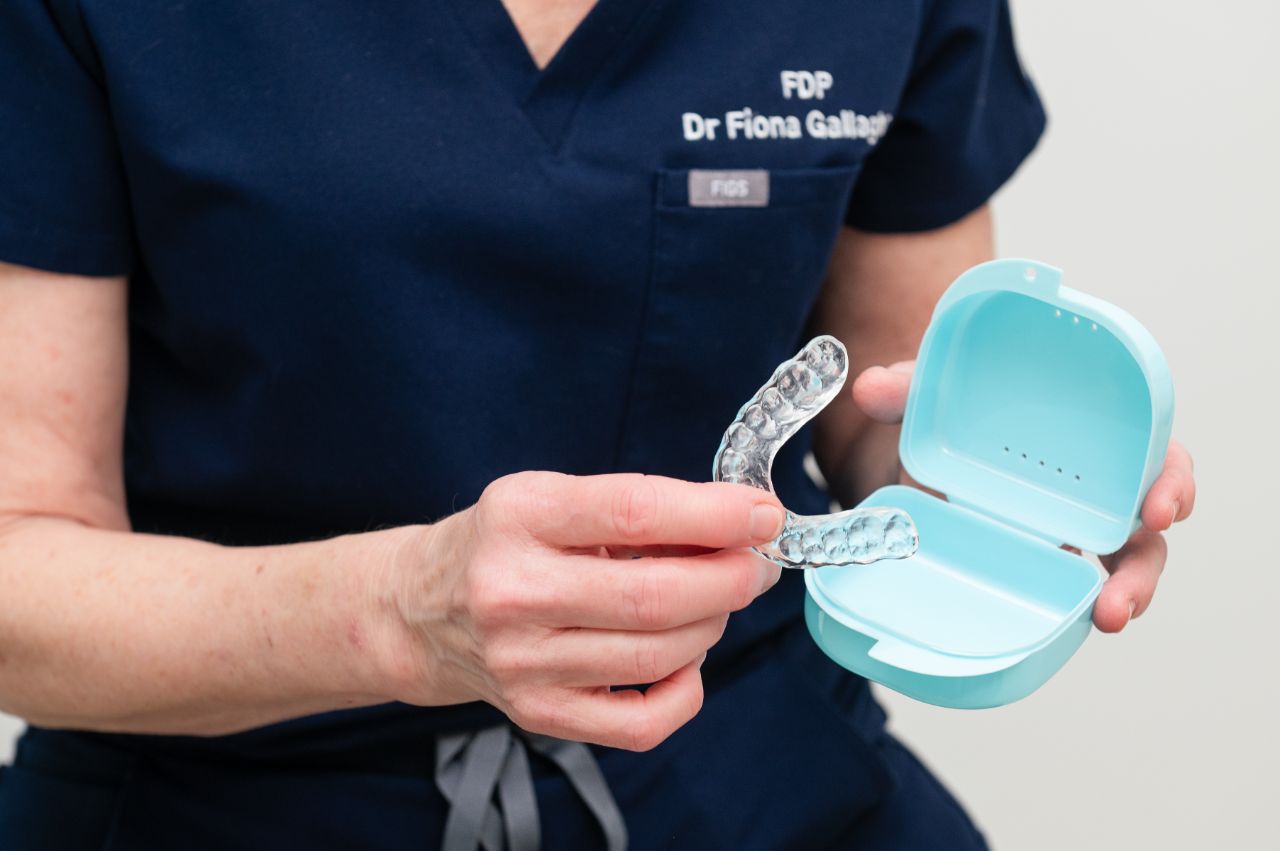
Bruxism, or teeth grinding, is a widespread issue that tends to be overlooked until injury has happened. Generally speaking, individuals who do not have a habit of grinding their teeth are unaware until they have experienced pain in their jaw or head, or they see signs of wear on their teeth. One of the best treatments for managing bruxism is with the use of dental splints or dental night splints (occlusal splint), which will help protect a person’s teeth from the damage caused by teeth grinding while the person sleeps, thus reducing the impact of bruxism over time.
Many patients at Family Dental Practice are amazed to find out just how much damage they could have avoided with proper intervention at a dental office. A correctly fitting dental splint can greatly improve the way your mouth functions and feels, and help keep it healthy overall.
What are grinding dental splints or night splints?
Grind dental splints are removable devices that you wear over your teeth while sleeping, which will help protect your upper and lower teeth by putting something between the two so that they do not touch each other and wear down from grinding or clenching.
Night splints (occlusal splint) are usually called as it is typically utilised during the evening when bruxism mostly occurs. Night splints are created to fit your individual bite for comfort and effective usage.
Professional dental splints for teeth grinding are customised for each patient’s specific dental structure, so they offer better protection and long-term comfort than over-the-counter alternatives do, especially when patients have more significant teeth grinding problems.
How dental splints help protect your teeth
Some people experience a lot of pressure on their teeth when they clench or grind their teeth (known as bruxism). As a result of this heating up and cooling down process, the enamel may become worn away; fractures could form in your molars or premolars; muscle strain may develop in the joints of your jaw over time.
Using a splint as part of dental treatment is a way to change where the force is applied by redistributing this force from your teeth onto the splint so that there are no longer direct contacts between opposing teeth (no grinding). The splint serves double duty; in addition to redistributing forces, by providing a stable environment for your muscles to relax when you are not placing any pressure on them.
Besides assisting with tooth protection, splints are used to assist with the symptomatic relief of TMJ disorders (e.g., tinnitus and tension headaches) in many patients; thus, they become a component of long-term dental treatment instead of a temporary solution for the patient.
Understanding dental splint types
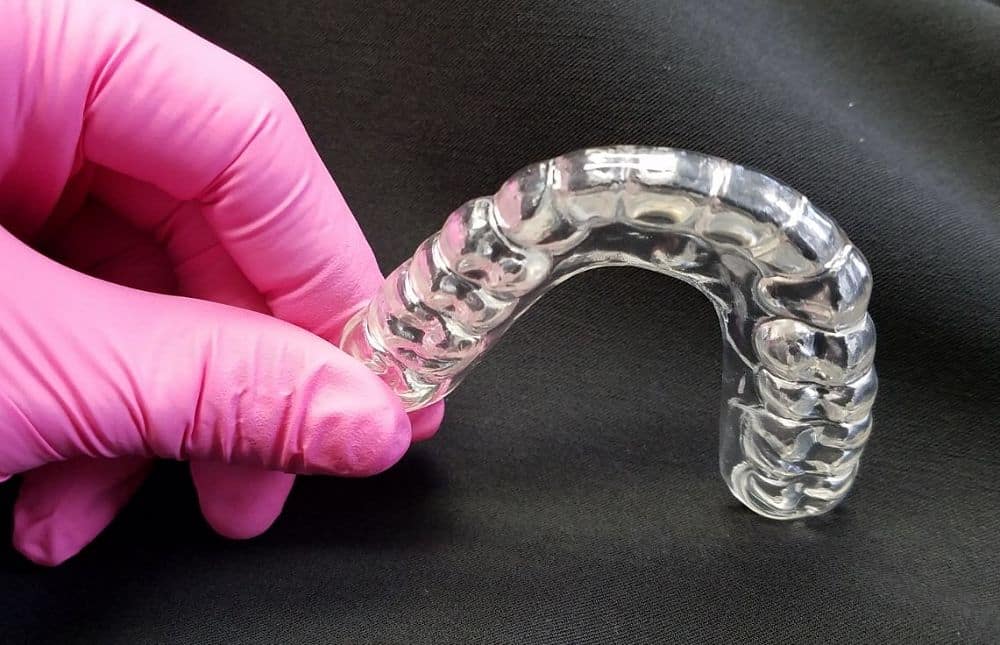
A dental splint comes in many styles to fit the extent of your grinding problem and desired results. Soft, hard, and dual-layered (or laminate) splints represent the three most popular types of dental splints.
Soft dental splints are manufactured from soft material and are primarily used for people who grind their teeth mildly. They are usually comfortable to wear. However, when people have more severe grinding issues, these types of dental splints will usually need to be replaced more often since they will wear out faster than other dental splints.
Acrylic is a tough material used to make hard splints, which generally work well for moderate and severe cases of bruxism as they offer more durability and protection.
Soft and hard materials combine to create dual laminate splints; they provide a balance between comfort and durability. These splints are typically recommended for individuals requiring cushioning and adequate protection.
Understanding the different types of dental splints is important because the effectiveness of treatment depends heavily on selecting the right option. A dental professional will assess the patient’s condition before recommending the most suitable design.
Dental splints for bruxism and long-term protection
Bruxism can be caused by stress, sleep issues, or jaw alignment problems. While making changes in how you live may reduce symptoms, often making changes alone is not enough. This is why dental splints for bruxism are extremely useful.
Preventing contact between teeth will allow a decrease in mechanical loading, which results in the wear of the enamel and fracture of the tooth. As a result, the progressive and continuous use of this type of appliance can preserve the natural structure of the teeth and reduce the chances of needing expensive restorative dentistry in the future.
Dental splints are also popular for the treatment of bruxism and can be helpful in treating mild and moderate cases as well as severe cases. Patients frequently report improvements in sleep quality, less jaw pain, and a reduction in morning headaches after consistent use of an appliance.
While splints cannot entirely prevent other forms of grinding, they are quite good at reducing their harmful effects. They often serve as a part of a larger treatment plan that may involve stress relief or correction of biting if needed.
What to expect during the fitting process
It is easy to get a dental device (splint) created for you. This is generally done by first having a thorough dental examination done, where your dentist will look for things like whether you have any damaged teeth from bruxism, whether your upper and lower jaws are aligned properly, and the health of your mouth overall.
If your dentist feels that you would benefit from having a device/splint made for you, they will take impressions/3D scans of your teeth for them to use to create an appliance just for your bite. You will then return several weeks later when the dental splint is ready for fitting to be put into place, so that you can be sure that it fits properly and comfortably.
Often, when someone is being fitted for an upper-extremity splint (like a wrist or thumb splint), adjustments will be made to make the fitting as accurate as possible, so that they will feel comfortable when wearing the splint. Patients also receive instructions about how to wear and care for the splint they have been fitted for.
Most individuals can expect to adapt to wearing their splint in a matter of days. There may be an initial period of adjustment, but in most cases, the long-term benefits will far outweigh the discomfort experienced at the beginning of use.
Caring for your dental splint
Proper care and upkeep of both your dental splints will make them last longer and stay cleaner. You should wash your dental splint every day with a soft-bristle toothbrush and a non-abrasive and/or mild soap. You should NEVER wash your appliance in hot water as it may change the shape of your appliance.
When not in use, it is crucial to keep your splint in a protective case to prevent accidental damage or contamination from other items. Regular visits to your dentist are also important because they may need to adjust your splint due to the natural changes that occur over time with your bite.
Patients should notify their dentist as soon as they notice discomfort, cracks, or changes in fit of their dental splint. When a splint is well-maintained and cared for properly, it will last several years.
Final thoughts
Grinding dental splints are an effective and practical way to protect your teeth from bruxism-related damage. Regardless of whether they are called oral appliances or night splints, they help to protect your oral health and prevent permanent complications that may result.
Patients will have a better option to choose from by learning about all types of dental splints and how they work. Dental splints designed for teeth grinding can greatly increase patient comfort by reducing pain and protecting their natural teeth for many years into the future with the help of dental professionals.
Family Dental Practice always recommends early intervention to address grinding behaviours before major damage occurs, and thus, exercising is the best way to keep your smile bright and healthy.