Whenever a tooth is lost, whether due to a sporting accident, dental decay, or simply age, this can greatly affect your quality of life. Missing a tooth is not just a chance for you to feel unattractive. Not having a tooth can have a significant impact on the way you eat (you may no longer be able to enjoy your favourite food), the way you speak and how you perceive yourself in social situations. A space can also set off a chain-reaction of dental issues, which will lead to other problems such as the loss of jawbone mass and the movement of neighbouring teeth.
With the introduction of dental implants, restorative dentistry is now utilising this type of treatment as the “gold standard” for tooth replacement methods. The Dental Implant can provide a permanent, stable result that mimics the natural root of a tooth, just like a real tooth. The way in which an individual will be treated based on the absence and location of teeth in their mouth will vary.
If you’re considering your choices for replacing lost teeth, you may be trying to figure out whether or not you should get a single tooth implant or a complete set of multiple implants. Below are details to assist you in deciding what type of replacement will be appropriate for you and your individual smile.
Understanding the Single Tooth Implant
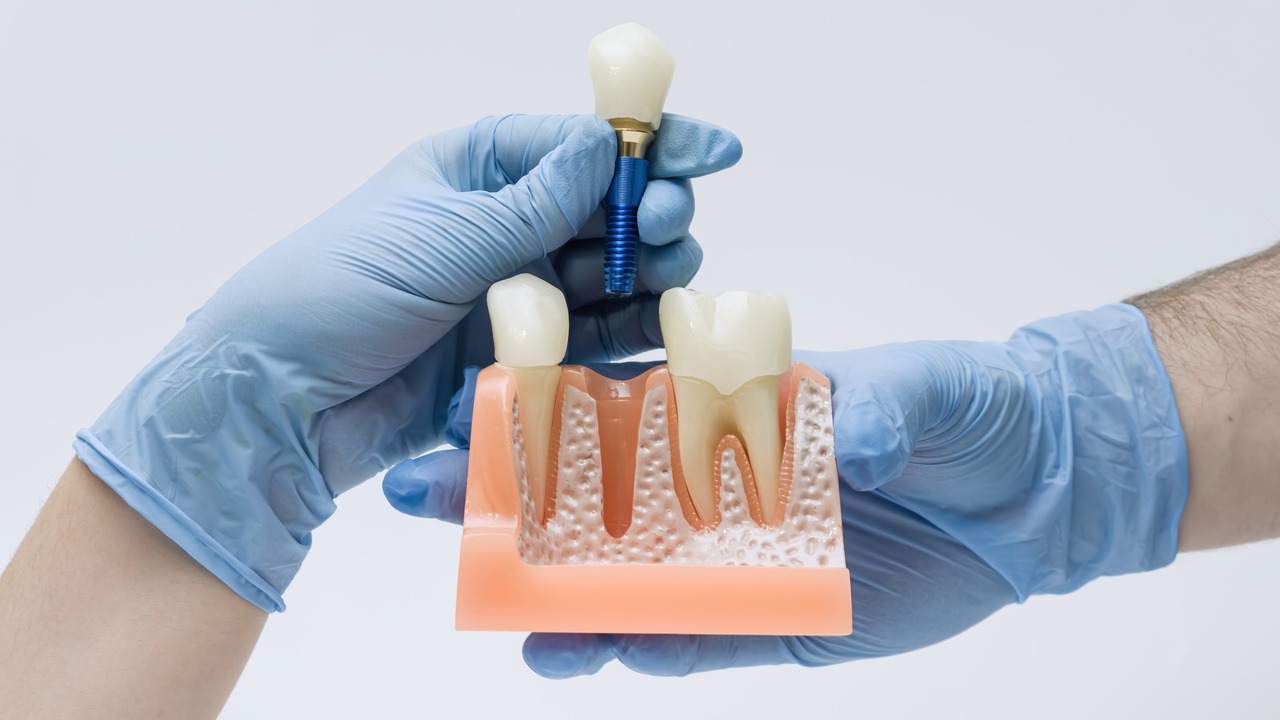
A dental implant for a single tooth replacement is typically the most appropriate option after having lost a tooth. This type of treatment requires insertion of a titanium screw into the jawbone, which will later be connected to engineered porcelain (crown) at the time of placing the porcelain during the osseointegration process.
Why Choose a Single Tooth Implant?
A significant benefit of a single tooth implant is that it is self-supporting, while a traditional dental bridge requires the healthy tooth on either side of your missing tooth to be cut down in order to support the bridge, with an implant not compromising the health of the surrounding mouth.
Bone Preservation: The implant functions in the same way as the natural tooth root, stimulating the jawbone and preventing the “sunken” appearance that usually occurs after tooth loss.
Repeated Ease of Care: A single tooth dental implant can be brushed and flossed just like your natural teeth.
Long-term Durability of an Implant: An implant will last you for years with proper oral hygiene; therefore, it is one of the most cost-effective choices available.
Considering the Investment
Frequently asked questions we receive at our office regarding one of the most basic dental procedures — single-tooth implants — typically concern their cost. When estimating what will be incurred by placing a single implant, it is important to keep in mind that the “cost” of that implant includes not only high-quality, durable materials but also specialised surgical skills required to place that implant correctly. And while the initial outlay may be higher than for a similar solution (a bridge), over time, it would probably be a more practical solution since it won’t require replacing every 10 years.
When You Need Multiple Dental Implants
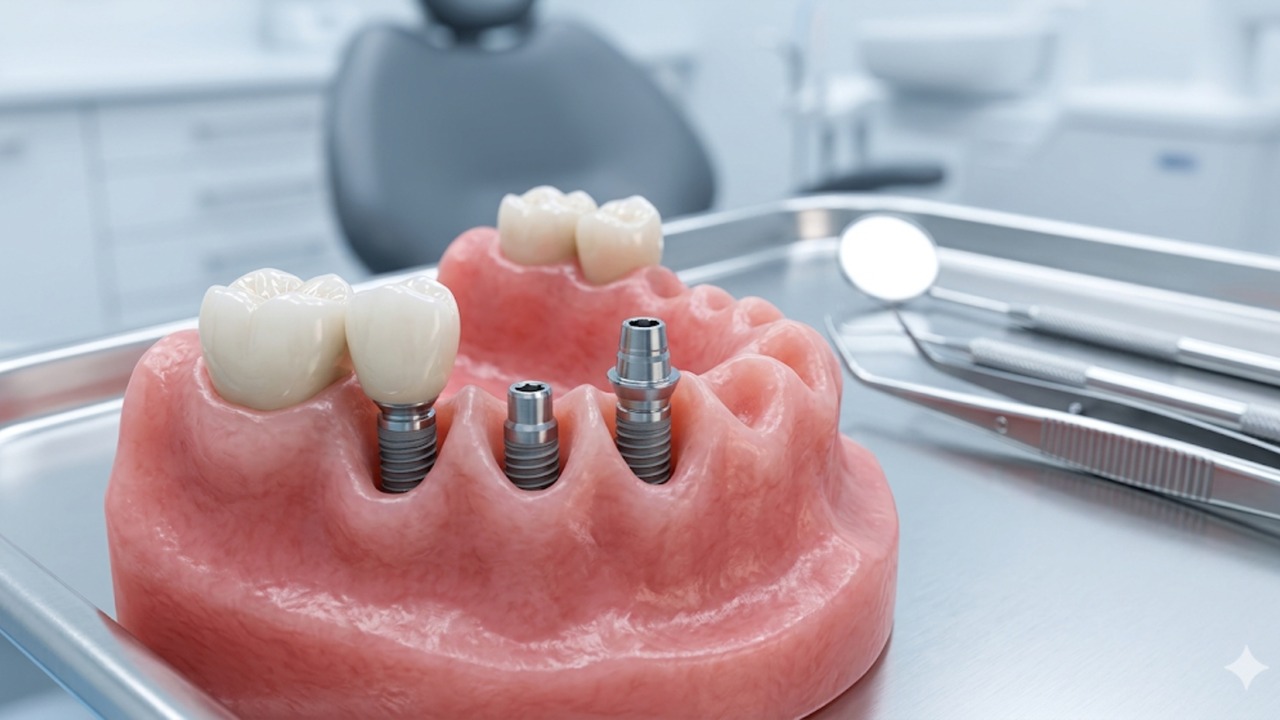
If you are missing several teeth in a row, or perhaps scattered throughout your mouth, the strategy shifts. You don’t necessarily need an individual implant for every single missing gap. Instead, we look at multiple dental implants to provide a sturdy foundation for bridges or even full-arch restorations.
Options for Replacing Multiple Teeth
When it comes to dental implants, multiple teeth can be replaced using various configurations:
Implant-Supported Bridge: If you have three or four adjacent teeth missing, it may be appropriate to place two dental implants in the bone under the gums at the ends of the space to provide support for a bridge of crowns, which will fill the space that was occupied by the missing tooth( teeth), without having to place an individual post under each missing tooth.
Multiple Individual Implants: If your missing teeth are spaced out in the upper jaw or lower jaw, multiple dental implants can be placed to fill in the gaps left by the missing teeth, with each implant supporting its own crown.
Restoration of an Entire Arch: If you are a patient with most or all of your teeth missing, a few well-placed implants can be used to support the entire arch of missing teeth (this procedure is also commonly called All-on-4 or similar).
The Benefits of Multiple Implants
Opting for multiple implants over traditional dentures provides a level of stability that is life-changing. There is no slipping, no need for messy adhesives, and no restriction on what you can eat. Whether you’re enjoying a steak or a crisp Australian apple, your teeth will stay firmly in place.
Comparing the Costs
Dental health should always have clear and transparent information regarding the costs associated with its treatments. When multiple dental implant procedures occur, costs will be incurred based on a combination of all the elements of the treatment plan and all the necessary steps needed to complete the procedure.
When placing multiple dental implants, the total price can vary based on the following:
- The number of titanium posts required.
- The type of final prosthetic (e.g., a bridge vs. several individual crowns).
- Whether any preparatory work, such as bone grafting or sinus lifts, is needed.
As part of our consultation process, we will provide you with a detailed cost breakdown for each of the different options available to you so that you can make an informed choice that works within your budget and also meets your clinical needs.
The Procedure: What to Expect
The length of time it takes to complete the process for getting a single tooth implant or multiple implants is essentially the same.
Step 1: Get an initial consultation – then determine how to position the implants utilising 3D imaging.
Step 2: Have the surgery done to put the implants in your jaw, using either local anaesthetic or sedation.
Step 3: Wait three to six months for your bone to grow around those implants.
Step 4: After three to six months, have your permanent, custom-made teeth (crowns) placed onto the abutments that attach them to your jawbone.
Which Is Right for You?
The decision about whether to get a single tooth dental implant or multiple dental implants does not have to be made by yourself.
Takeaway: If you have only one gap, choose a single dental implant. If there are two or more gaps, we will make a customised treatment plan using multiple dental implants to achieve the best functional restoration using as few surgical sites as possible.
Maintaining Your New Smile
After completing your dental implant procedure(s), you will need to maintain them through the same oral care routine as you would with your natural teeth. Just as you would see your dentist regularly for check-ups and have your teeth professionally cleaned, you should brush and floss the same way to keep your teeth and gums healthy and prolong the need for placement of any replacements.
Although the cost of one dental implant or many dental implants can appear to be large amounts of money, the amount of confidence you will gain from implants and the amount of money you will save from prospective future dental issues is immeasurable.
Book Your Consultation Today
Are you ready to show off your teeth? If so, our Family Dental Practice team can help you, whether you need information about how much a complete tooth is going to cost or how many dental implants you want.
As part of our commitment to you and your family, we offer a gentle, professional, and honest experience to every patient throughout their entire dental implant journey. That’s why we have an entire qualified team that includes dentists, dental technicians, hygienists, and assistants ready to help you take your smile from an incomplete tooth or teeth to a fully functional tooth or teeth.
Please contact us today for your assessment and let us help you achieve a confident, healthy smile!